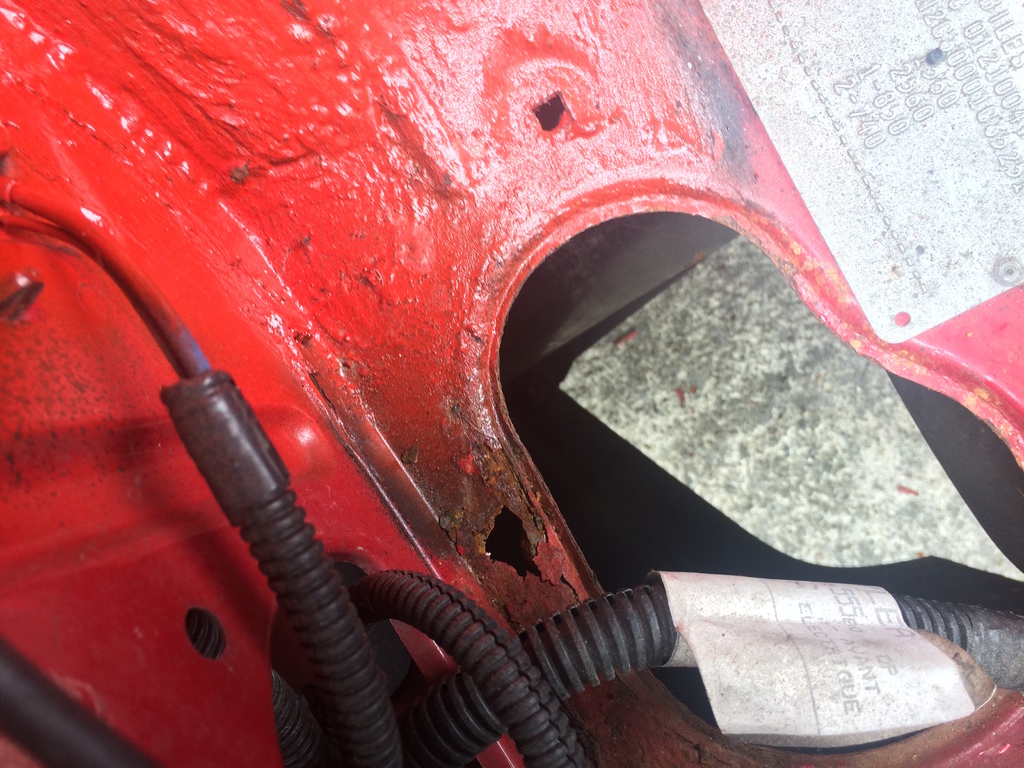
That makes the ZX the same arrangement as the BX: a side-of-radiator tank.
On the BX19, this meant that parts of the cylinder head (whose waterways should always be full of coolant, and no air pockets) were actually
above the level of the top of the radiator!
When the coolant goes cold, the level in the side tank will drop, leaving an air space above it. This can be seen if you remove the radiator cap when the engine is cold. This air can find its way into the cylinder head (the highest part of the system on the BX19) where it will do no good whatsoever - local hot-spots, possible corrosion, and damage to the head gasket.
If the ZX doesn't have this problem (head higher than radiator), then you're OK.
On our BX19, I fitted a plastic expansion tank to a convenient high-up location on either the bulkhead or the inner wing (can't remember which now). The tank was similar to one of these:
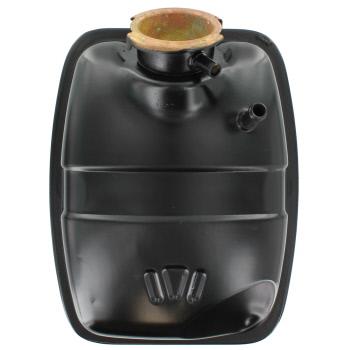
from the old Austin-Rover range - although almost any recovered expansion tank will do; translucent is best, so you can keep an eye on the level.
The original pressure cap on the radiator is replaced with a "blank cap" (no pressure relief), and the new expansion tank will have a pressure relief cap of its own (so best to know which vehicle it came from, so you can obtain a new one, if needed), and a pressure rating roughly the same as the original Citroen one.
You will need to run a small-bore (5-6mm) rubber pressure pipe from
either the radiator overflow spout to the new tank,
or (which was available on the BX19) the spare (but blanked off) cast aluminium snout on the thermostat housing. Either way, expelled hot coolant needs to be able to get into the expansion tank, and expelled coolant sacked back into the radiator/engine when the coolant cools. This way, both the radiator and the cylinder head are always kept completely full of coolant.