Tools list:
41mm socket & loooong handle.
17mm socket
Angle grinder
Cold chisel
Jack/axle stands etc
Wheel brace
8mm spanner & socket
Screwdriver
Hammer
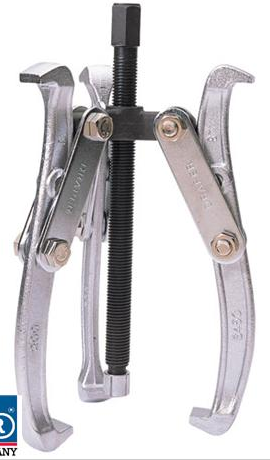
Hub puller of some kind
Big torque wrench.
Working on as firm & flat a surface as you can, set the suspension to high, crack the wheel bolts of the wheel you'll be working on, and jack up. Place axle stand or some other means of support should the jack fail or sink.
Remove wheel.
This is what you see.

Remove the brake pads, by removing the pin which holds them in (8mm spanner & socket) Slaken the nut off, and the dust cover will slide off. Remove the nut, then remove the pin. The anti-rattle spring will come off, and if you lever the caliper pistons in a little, the pads will just slide out (may need a little levering).

Then, REFIT the pad retaining pin. Very important. AND tighten. Unless you want all the LHM to come out of the caliper, and have to bleed your rear brakes.

Next, slacken the two bolts holding the caliper to the trailing arm, but don't remove just yet.
Remove the screw which retains the disc (and also acts as a wheel location spigot). I think it needs a 5.5 socket, but I improvised.

Now remove the bolts which retain the caliper to the trailing arm - and whilst supporting the caliper so as not to strain the hyd pipe, remove the disc.

With the disc off, then refit the caliper retaining bolts, just to be aure the hyd pipe is safe.
Now we can see what we need to see. Remove the dust cap over the hub nut. I used a screwdriver and hammer to gently lift the edge up bit by bit until you could get the screwdriver under to lever it off.
Now, you need to lift up (as best you can) the staking on the hub nut. I used a punch and hammer.
You will need your 41mm socket (40mm may fit, but I didn't have one and the 40mm worked) with a long extension bar. I used a normal 3/4" T bar with a pipe over the end, to break the torque on the nut. Once the torque is broken, the nut spins off by hand.

I bought a standard hub puller, for just a tenner it was a heck of a lot easier than messing about with bits of bar and spacer etc. Didn't fit perfectly but worked fine.

When the hub is off, you'll find that the inner race of the inboard bearing is left on the stub axle. I used an angle grinder to remove enough material so I could crack it across with a punch, then it comes off easy.

With the old hub removed, the hard work is done. If you've marked the stub axle with your grinding (if you take lots of care, it shouldn't be too bad) make sure it's rubbed down nice and smooth.
Then offer up the new hub and - using a piece of pipe or suitable socket, drive the hub onto the axle until you can get the nut on a few threads, then use the nut to push it on the rest of the way.
When you are driving the hub onto the shaft by hand, only drive against the inner race of the outboard bearing - NEVER the outer race-you will be replacing the bearing again if you do. Also, make sure it is going on square - check from above and behind. I used a lump hammer and a 36mm socket to drive it on.
Once the hub is in place, torque the nut up to the specified torque.
Then refit all the removed items, not forgetting the bit about keeping the caliper halves held together by the pad retaining pin.
Test drive, and no hum!
I understand this isn't too common a problem, but it does seem to happen from time to time. Hope this write up helps somebody out one day. Good luck, it's not as bad a job as it seems

Feel free to chip in with bits I've missed out!
I've just done a wizzo long term bodge fix for the rubbish plastic block on the drivers door regulator. the bit which retains the cable ends - I'll post that one up shortly!