
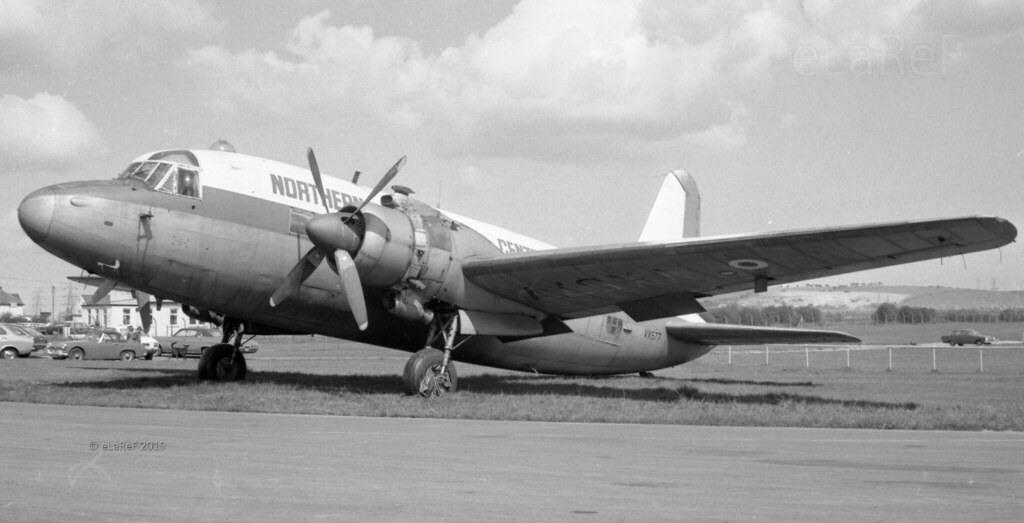
 VX577 Vickers Valetta C.2 msn 429 by eLaReF, on Flickr
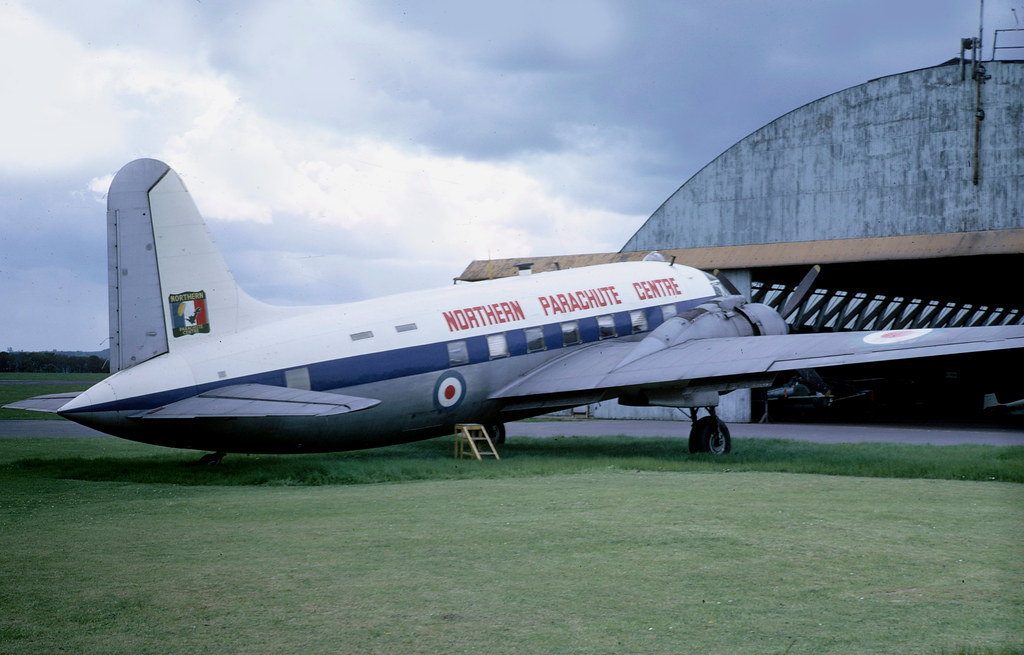 VX577 Vickers Valetta C.2 by emdjt42, on Flickr
Neil
 VX577 Vickers Valetta C.2 msn 429 by eLaReF, on FlickrVX577 Vickers Valetta C.2 by emdjt42, on Flickr
myglaren wrote: 18 Oct 2024, 20:00 And Adeline Gray.
Parachutist!Hartford, Connecticut—June 6, 1942: Fifty observers from the U.S. Army and Navy watch from the ground as Adeline Gray, a 24-year-old rigger at the Pioneer Parachute Company, steps from the wing of a plane 2,500 feet over Brainard Field to make her 33rd lifetime jump. She is testing, for the very first time, a parachute made from nylon, a new strong and resilient fabric primarily used to make women’s stockings.
Normandy, France—June 6, 1944: Two years to the day after Gray’s jump in Hartford, the D-Day invasions begin. Thousands of U.S. paratroopers—undoubtedly having never heard of the courageous and talented young woman who proved that nylon parachutes could work—descend under the innovative canopies that would help the Allies win the war.




Battle of Britain Bunker Uxbridge
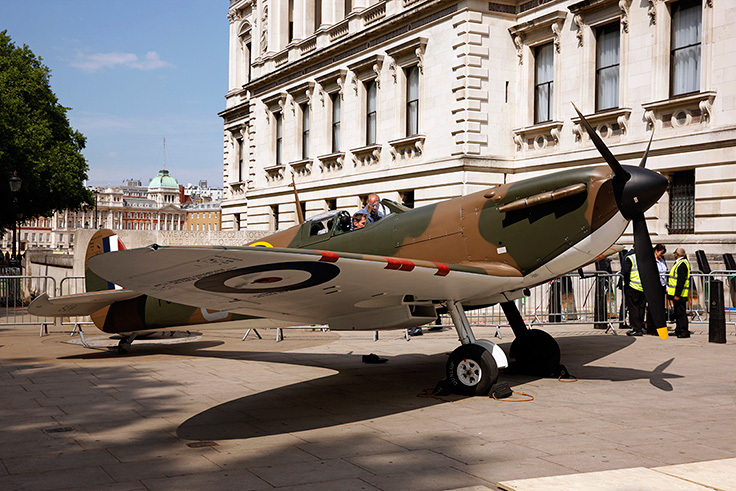 |
Spitfire P9374 was one of a batch of 183 aircraft built by Supermarine Ltd. (Vickers-Armstrongs (Aircraft) Ltd.) under contract number 980385/38 from the Air Ministry. After factory test flying P9374 was delivered to R.A.F. Hornchurch on 2 March 1940 and then joined 92 Squadron at R.A.F. Northolt on 6 March 1940. On 24 May 1940 P9374 was hit in action and forced to land on the beach near Calais where it remained gradually consumed by the shifting sands until re-emerging in 1980. A long restoration and rebuild was completed by the Aircraft Restoration Company at Duxford, finally returning to the skies on 30 August 2011. It is a low wing monoplane fighter aircraft with fuselage of stressed-skin construction, the wing assemblies with eight de-activated Browning machine guns. |