
I'm not certain on how long it takes to sink but it's not long, and it's probably to the bump stops.
I'll have a look in a bit as it will have been parked outside for an hour or two.
If the clyinder is gone will LHM leak to the outside world or is it internal and has a return spigot?
Cheers.
Leaky ram and electrovalve!
-
CitroJim

- A very naughty boy
- Posts: 55127
- Joined: 30 Apr 2005, 23:33
- x 8411
Internally. There are two leakage returns on each cylinder boot Dom. If a rear cylinder is leaking externally then it's in a bad, bad way...Dommo wrote: If the clyinder is gone will LHM leak to the outside world or is it internal and has a return spigot?
If you have not swapped the rear corner spheres then these are prime suspects as they can rupture on an Activa and you'll not really be aware of it just driving as the car will be predominantly in soft mode and therefore the rear corners will be doing damping duties only. This applies to Hydractive cars generally.
Easy to check for ruptured corners; remove a sphere and if LHM jets out of the damping hole and sprays a needle-fine jet for a distance of 6 feet or so then they're ruptured...
Rear sinks have nothing whatever to do with the anti-sink sphere. It's mis-named!
Jim
A bit of a Citroen AX fan...
A bit of a Citroen AX fan...
-
Xaccers

- Posts: 7654
- Joined: 07 Feb 2007, 23:46
- x 188
Jim, if they've ruptured, then what's pushing the LHM out?
I thought ruptured ones will pour LHM out if you hold them with the hole down, and if they're very flat they don't have enough pressure to push the LHM out within the system, but can once removed, giving the spray?
I thought ruptured ones will pour LHM out if you hold them with the hole down, and if they're very flat they don't have enough pressure to push the LHM out within the system, but can once removed, giving the spray?
1.9TD+ SX Xantia Estate (Cassy) running on 100% veg
1.9TD SX Xantia Hatchback (Jenny) running on 100% veg for sale
Laguna II 2.0dCi Privilege (Monty)
DIY sphere tool
1.9TD SX Xantia Hatchback (Jenny) running on 100% veg for sale
Laguna II 2.0dCi Privilege (Monty)
DIY sphere tool
-
CitroJim
- A very naughty boy
- Posts: 55127
- Joined: 30 Apr 2005, 23:33
- x 8411
Well, all I can say is that on experience, rear hydractive ones do XacXac wrote:Jim, if they've ruptured, then what's pushing the LHM out?

Remember the silver V6 we broke? That one had been depressurised for months before I cracked off the rear spheres and I was astounded at the powerful needle-fine jet that came out and also for how long both in time and distance.
Very small hole and 400cc of LHM trapped behind it is enough to do this.
Non hydractives and accumulators have bigger holes and thus will pour out...
As I say, from experience this

Jim
A bit of a Citroen AX fan...
A bit of a Citroen AX fan...
-
DickieG

- Monaco's youngest playboy
- Posts: 4878
- Joined: 25 Nov 2006, 09:15
- x 33
Whilst the diaphragm is ruptured the LHM within the sphere is still under pressure and due to the rupture there will be more LHM within the sphere which takes a fair while to flood out through the small damper hole, a sure sign of a ruptured sphere is one that continues to be tight to undo well beyond the initial "cracking".Xac wrote:Jim, if they've ruptured, then what's pushing the LHM out?
I thought ruptured ones will pour LHM out if you hold them with the hole down, and if they're very flat they don't have enough pressure to push the LHM out within the system, but can once removed, giving the spray?
25 Jeep Renegade Trailhawk
23 BMW iX3 M Sport Pro
23 Jeep Avenger
13 Ram 1500 Hemi
06 C3 Desire 1.4
72 DS 21 EFi Pallas BVH
23 BMW iX3 M Sport Pro
23 Jeep Avenger
13 Ram 1500 Hemi
06 C3 Desire 1.4
72 DS 21 EFi Pallas BVH
-
Xaccers
- Posts: 7654
- Joined: 07 Feb 2007, 23:46
- x 188
With the system depressurised, what's pressurising the LHM in the sphere if there's no diaphram?DickieG wrote:Whilst the diaphragm is ruptured the LHM within the sphere is still under pressure and due to the rupture there will be more LHM within the sphere which takes a fair while to flood out through the small damper hole, a sure sign of a ruptured sphere is one that continues to be tight to undo well beyond the initial "cracking".Xac wrote:Jim, if they've ruptured, then what's pushing the LHM out?
I thought ruptured ones will pour LHM out if you hold them with the hole down, and if they're very flat they don't have enough pressure to push the LHM out within the system, but can once removed, giving the spray?
My mind is telling me:
New sphere, when the system is depressurised, the gas is able to expand pushing all the LHM back through the pipes.
Nearly totally flat sphere, when the system is depressurised, the gas isn't able to fight against the resistance in the pipes and so retains LHM. When it's removed the only resistance is from the hole, so the gas is able to expand, spraying the LHM out.
Ruptured sphere, when the system is depressurised, the sphere is full of LHM, at the same pressure as the pipes, so when removed LHM runs out, just as LHM runs out of the sphere's socket.
1.9TD+ SX Xantia Estate (Cassy) running on 100% veg
1.9TD SX Xantia Hatchback (Jenny) running on 100% veg for sale
Laguna II 2.0dCi Privilege (Monty)
DIY sphere tool
1.9TD SX Xantia Hatchback (Jenny) running on 100% veg for sale
Laguna II 2.0dCi Privilege (Monty)
DIY sphere tool
-
DickieG
- Monaco's youngest playboy
- Posts: 4878
- Joined: 25 Nov 2006, 09:15
- x 33
You're thinking along the same lines as me there Xac, when the sphere is under pressure/good condition the volume of LHM inside the sphere is minimal.Xac wrote:With the system depressurised, what's pressurising the LHM in the sphere if there's no diaphram?DickieG wrote:Whilst the diaphragm is ruptured the LHM within the sphere is still under pressure and due to the rupture there will be more LHM within the sphere which takes a fair while to flood out through the small damper hole, a sure sign of a ruptured sphere is one that continues to be tight to undo well beyond the initial "cracking".Xac wrote:Jim, if they've ruptured, then what's pushing the LHM out?
I thought ruptured ones will pour LHM out if you hold them with the hole down, and if they're very flat they don't have enough pressure to push the LHM out within the system, but can once removed, giving the spray?
My mind is telling me:
New sphere, when the system is depressurised, the gas is able to expand pushing all the LHM back through the pipes.
Nearly totally flat sphere, when the system is depressurised, the gas isn't able to fight against the resistance in the pipes and so retains LHM. When it's removed the only resistance is from the hole, so the gas is able to expand, spraying the LHM out.
Ruptured sphere, when the system is depressurised, the sphere is full of LHM, at the same pressure as the pipes, so when removed LHM runs out, just as LHM runs out of the sphere's socket.
25 Jeep Renegade Trailhawk
23 BMW iX3 M Sport Pro
23 Jeep Avenger
13 Ram 1500 Hemi
06 C3 Desire 1.4
72 DS 21 EFi Pallas BVH
23 BMW iX3 M Sport Pro
23 Jeep Avenger
13 Ram 1500 Hemi
06 C3 Desire 1.4
72 DS 21 EFi Pallas BVH
-
addo
- Sara Watson's Stalker
- Posts: 7098
- Joined: 19 Aug 2008, 12:38
- x 95
The spheres, when ruptured, are barely leaking. Bit like a tyre with a small nail in the tread - only the tiniest leak, not a rush of air. It's not an instant purging of gas contents as pressures either side of the diaphragm are more or less equal.
So - some gas comes out, and aerates the fluid. Some fluid goes in; eventually a decent quantity. A blown sphere also feels appreciably heavier than a good one.
So - some gas comes out, and aerates the fluid. Some fluid goes in; eventually a decent quantity. A blown sphere also feels appreciably heavier than a good one.
-
Dommo

- (Donor 2025)
- Posts: 1210
- Joined: 11 Apr 2009, 09:43
- x 20
Bit of a delay here I know, but from what I can tell from the few times I've left it parked in the normal driving position everything seems fine regarding sinking. Whether it makes a difference when just one person is in (and then gets out) I'm not sure. I'll try leaving a door open when turned off to see if it's the hydractive ness that stops it sinking. As it takes about 15-20 seconds to sink/height correct after people get out of the back, leaving only 10 seconds of 'sinking' before the hydractive ECU turns off?
One other thing that may be linked. When I park the car on service low, and come to it a good few hours later, overnight for example. Opening the door and it activating the hydractive ECU makes a banging sound from the rear. To see what it was I just stood by the rear wheel, opened the door and sure enough it banged, the rear of the car raises up slightly when it happens. It's certainly doing something it shouldn't so I'm a little worried.
Any ideas?
One other thing that may be linked. When I park the car on service low, and come to it a good few hours later, overnight for example. Opening the door and it activating the hydractive ECU makes a banging sound from the rear. To see what it was I just stood by the rear wheel, opened the door and sure enough it banged, the rear of the car raises up slightly when it happens. It's certainly doing something it shouldn't so I'm a little worried.
Any ideas?
-
CitroJim
- A very naughty boy
- Posts: 55127
- Joined: 30 Apr 2005, 23:33
- x 8411
Not yet Dom, except that it should not do that...Dommo wrote: Any ideas?
Questions to help mull this one over:
1. Have you replaced the rear corner spheres, the center hydractive and the anti-sink spheres?
2. Can you feel a distinct difference in rear end softness between hard and soft mode.
test like this: Switch off, get out and shut doors.
Bounce rear. keep bouncing until the electrovalve clicks off. At that point you should feel the suspension become noticeably firmer.
3. Have you ever heard that nose when doing Citarobics? Especially as the car begins to rise from it's lowest position.
4. Is there any play at all in your rear ram bush?
5. Can you provoke the noise by "exercising" the Activa system? Do that by pulling and pushing on the roll corrector linkage balljoints just visible in the rear of the front wheel arches. Do it with the car at normal ride height and with engine running. You should be able to make the car rock.
Jim
A bit of a Citroen AX fan...
A bit of a Citroen AX fan...
-
DickieG
- Monaco's youngest playboy
- Posts: 4878
- Joined: 25 Nov 2006, 09:15
- x 33
Sounds perfectly normal behaviour to me, whenever I'm unlikely to drive one of my Xantia's for a few days I've always left them in service low position and just as you describe whenever a door is opened the rear of the car takes a little bunny hop complete with the sound of a bang as the Hydractive block opens. As a guide to it not being age related my VSX has done it from newDommo wrote:One other thing that may be linked. When I park the car on service low, and come to it a good few hours later, overnight for example. Opening the door and it activating the hydractive ECU makes a banging sound from the rear. To see what it was I just stood by the rear wheel, opened the door and sure enough it banged, the rear of the car raises up slightly when it happens. It's certainly doing something it shouldn't so I'm a little worried.
Any ideas?

25 Jeep Renegade Trailhawk
23 BMW iX3 M Sport Pro
23 Jeep Avenger
13 Ram 1500 Hemi
06 C3 Desire 1.4
72 DS 21 EFi Pallas BVH
23 BMW iX3 M Sport Pro
23 Jeep Avenger
13 Ram 1500 Hemi
06 C3 Desire 1.4
72 DS 21 EFi Pallas BVH
-
Dommo
- (Donor 2025)
- Posts: 1210
- Joined: 11 Apr 2009, 09:43
- x 20
I've not replaced any of the spheres, yet. I wasn't going to yet unless it felt like it needed them. The back end does seem fairly clattery over big bumps so I do think the rear corner and hydractive spheres need doing. I might try and make my own sphere pressure tester. As I don't want to replace spheres that dont need doing.
DickieG - it's definately a bad sounding noise isn't it. I might try and film it. I'm fairly sure it didn't do that prior to our messing about. But it would have previously leaked out some LHM from the activa system, would that release pressure from the circuit and stop it banging?
DickieG - it's definately a bad sounding noise isn't it. I might try and film it. I'm fairly sure it didn't do that prior to our messing about. But it would have previously leaked out some LHM from the activa system, would that release pressure from the circuit and stop it banging?
-
Dommo
- (Donor 2025)
- Posts: 1210
- Joined: 11 Apr 2009, 09:43
- x 20
-
Dommo
- (Donor 2025)
- Posts: 1210
- Joined: 11 Apr 2009, 09:43
- x 20
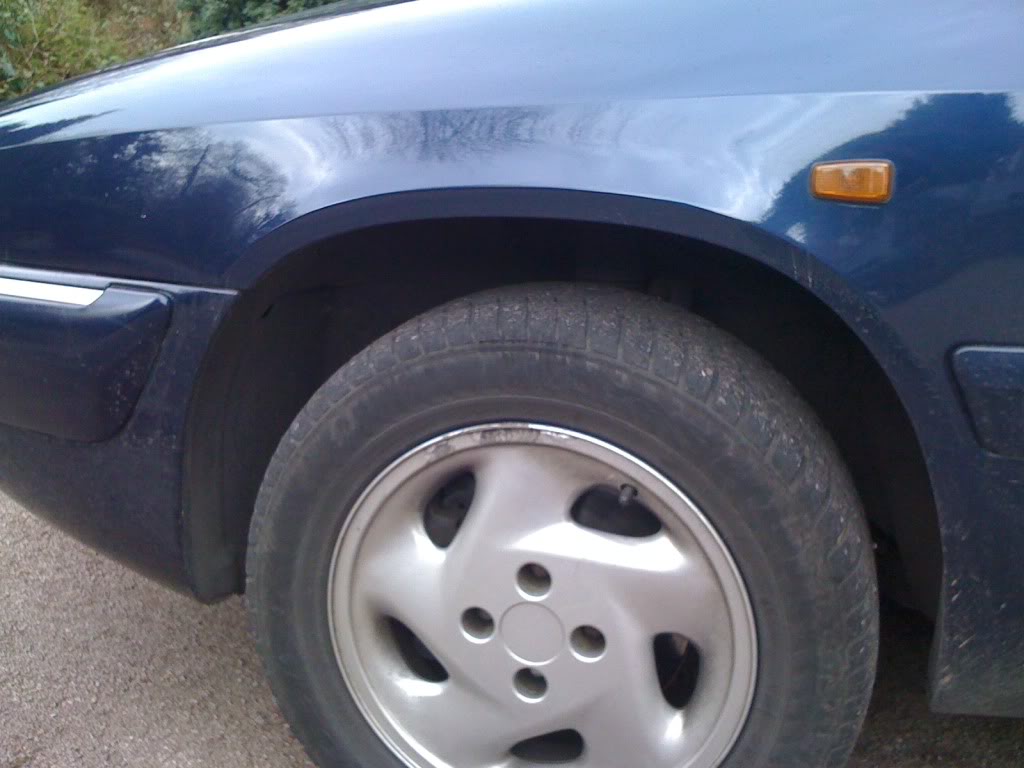
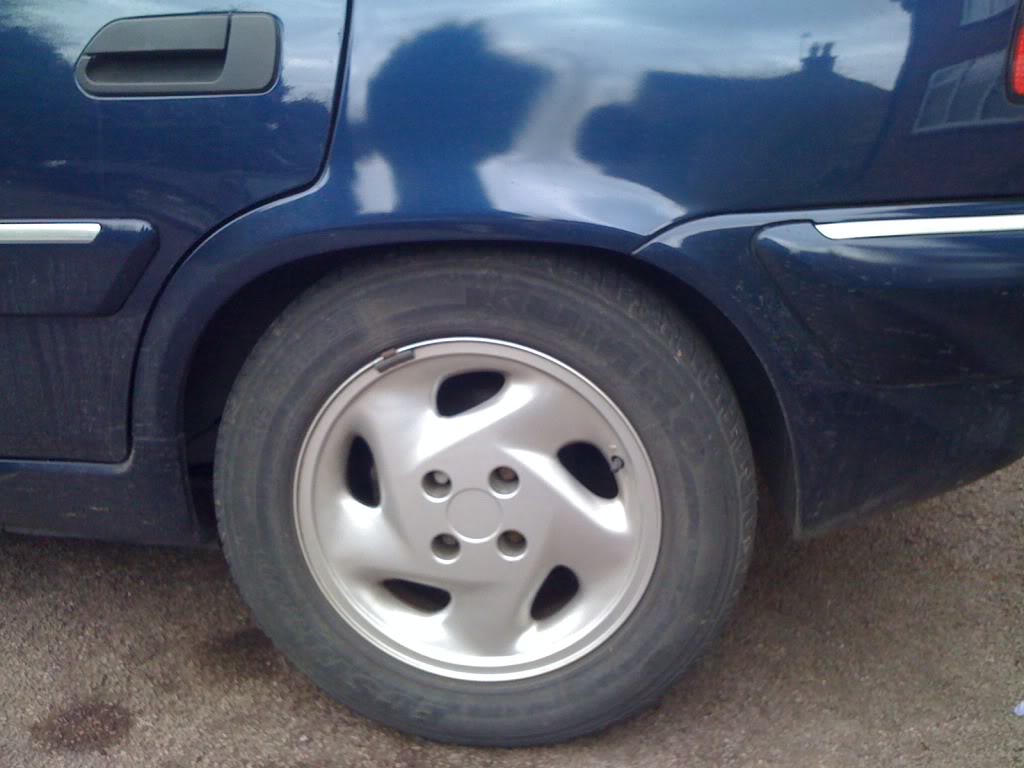
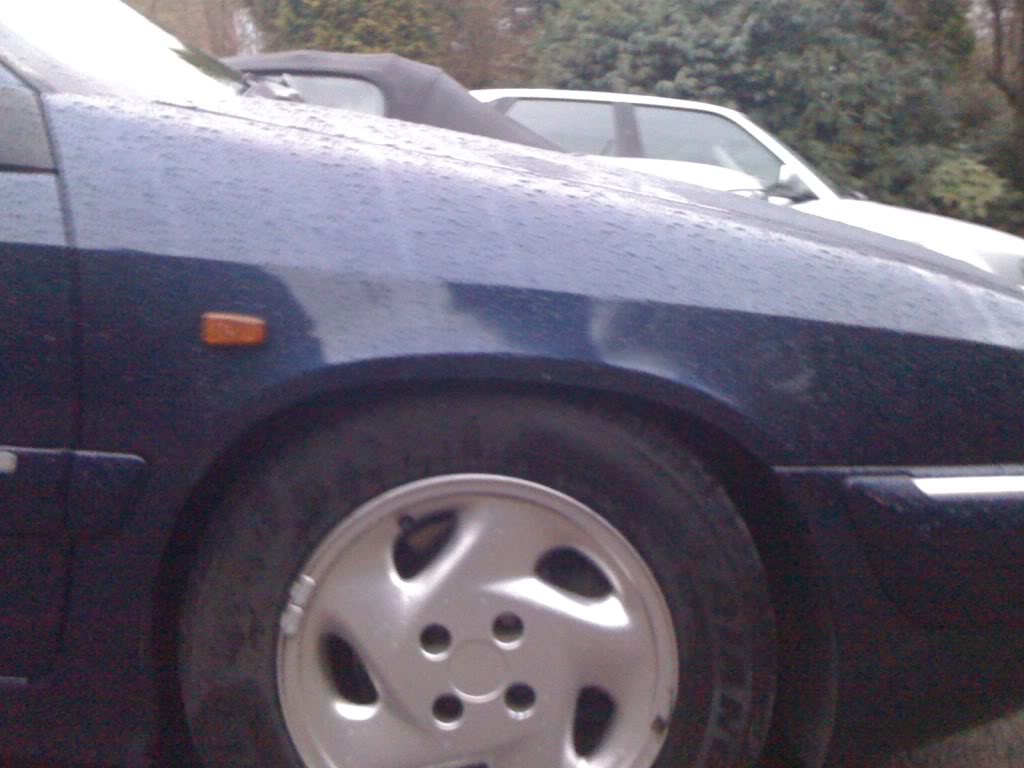
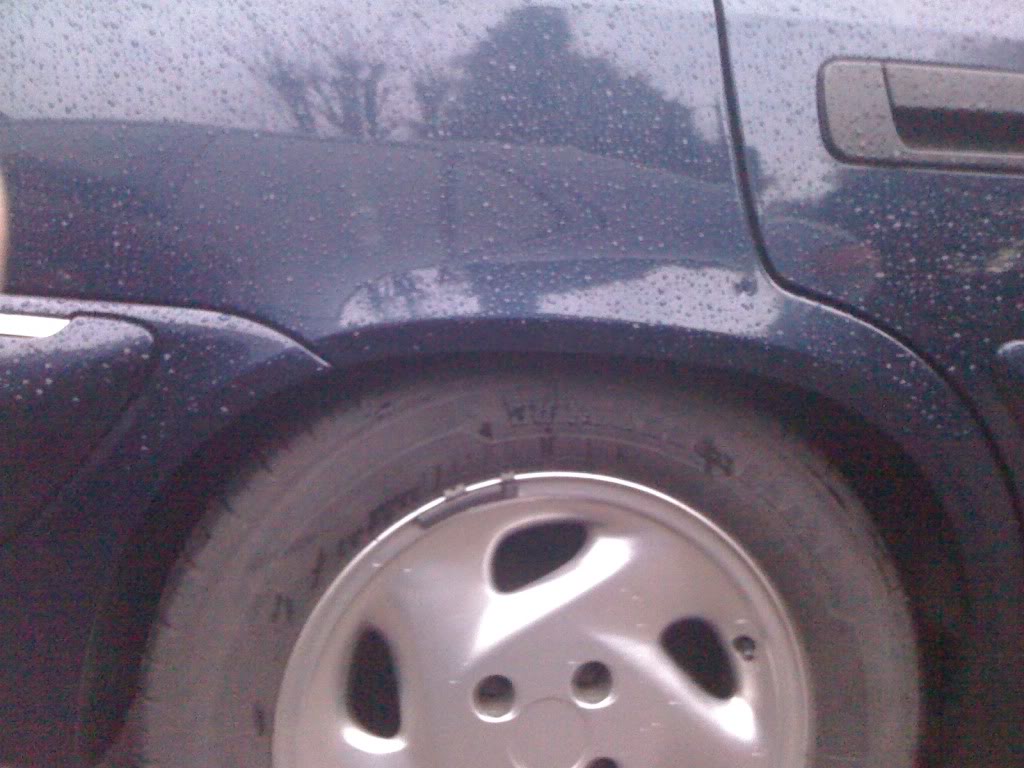
Bit of a old topic to drag up here, but recently the front end seems to be the sinking end rather than the rear! Maybe if the rear corners spheres are ruptured they're now so full with LHM it's stopped sinking, and its the front corner sphere's turn to sink now
Here's what it looks like as soon as I've parked up
And here's what it looks like after being parked overnight:
I'll be doing the rear corners as soon as I get a tool made up...
Here's what it looks like as soon as I've parked up
And here's what it looks like after being parked overnight:
I'll be doing the rear corners as soon as I get a tool made up...
-
CitroJim
- A very naughty boy
- Posts: 55127
- Joined: 30 Apr 2005, 23:33
- x 8411
Hi Dom,
That level of sink on an Activa is pretty normal in my experience. Both mine sink to the same extent as yours..
I'm not saying they all sink like this but certainly mine do and I know mine are both pretty good in the hydraulics department.
A bit of an Activa quirk I think.
Comments from other Activa owners?
That level of sink on an Activa is pretty normal in my experience. Both mine sink to the same extent as yours..
I'm not saying they all sink like this but certainly mine do and I know mine are both pretty good in the hydraulics department.
A bit of an Activa quirk I think.
Comments from other Activa owners?
Jim
A bit of a Citroen AX fan...
A bit of a Citroen AX fan...