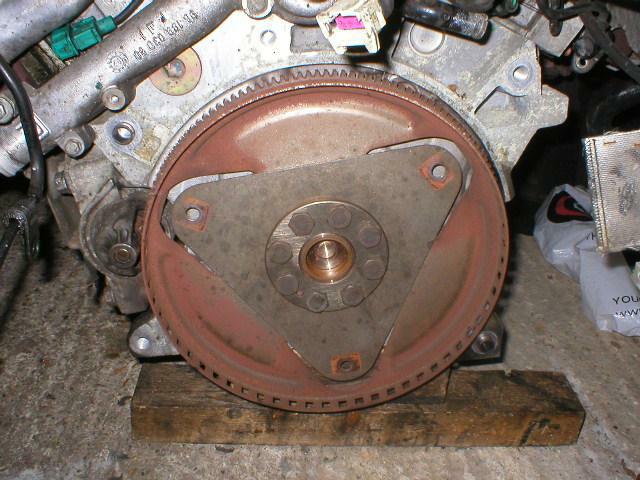
Below is a picture with the torque converter in place.


Good question Adam,addo wrote:
Would a failing converter (ie; one where the clutch was breaking up) show a significant imbalance? I have no idea of what sort of masses are involved in the loose materials.
Very interesting info there, i have never heard of one breaking up so badly though although with the one in the picture having 6 TC mounting points i should imagine it was from quite a substantial power plantThat plate is called the flex plate, and problems can happen with them here's some information on them.

I would really like to cut a TC open just to see it in the flesh so to speak but i dont have one at the moment that i would be willing to kill.These aspects of torque convertor health are difficult to check as a drained torque convertor rattles anyway as the sprag has lost its rigid support (a splined extension from the oil pump cover) and this allows the stator to flop around somewhat. It is also impossible to see very much inside the convertor by peerring down the drive hole. Certainly no parts of the lock-up clutch can be seen. maybe with an endoscope something could be seen.
_________________
Jim
Nice posting too Jim!CitroJim wrote:That's a good and intersting link ACTIVA, thanks for posting that up.
The V6 has three bolts and mine were very tight indeed and not easy to get good purchase on, having thin heads.
On the V6, they're dead simple to check, even with the exhaust headers in place. You can just slip the "half moon" cover off the bottom of the bellhousing (3 x 10mm bolts) and then as you rotate the engine over, they will come into view. You can also see the flex-plate reasonably and check most of it for any potential cracks. You cannot check the torque of the bolts with he headers in place as there is only just room to get a thin 13mm spanner in. However, with a normal 13mm spanner, they should be as tight as you can possibly get them.
Other sources of noise in this are can be the torque convertor lock-up clutch and the torque convertor stator sprag clutch although if either of these were in trouble, there would be other symptoms. Trouble is, at the moment, never actually having driven a V6, I don't know how it feels if the lock-up fails or what happens if the sprag fails. If there are stator problems though, the torque convertor will operate very inefficiently and fuel consumption, for one thing, will go through the roof.
Noises generally in a 4HP20 can come from two sources. A whine related to engine speed only will most likely be the oil pump suffering starvation and any noises related to road speed is likely to be down to something in the diff, reduction gear or epicyclic output gear. The 'box only has three gears in it and all of them are massive and most unlikely to wear. Each gear is supported on equally massive taper roller bearings.
As the noise is most apparant for you going between P, N and R, Black Clio, I agree it is most likely torque convertor related.
I assume the car drives perfectly otherwise and there are no other symptoms apparant from the gearbox.
Sadly, to get at the torque convertor it is necessary to lift the engine and transmission complete out of the car. The gearbox cannot be removed on its own. Luckily in a 406 it is a slightly easier job than in the Xantia.
Please do keep us informed of the outcome.

That has me thinking nowbl4ck clio wrote: I mean the noise become lower if going from P to R (from release to in), in cold condition.



Keep us updated pleasebl4ck clio wrote:report :
my car is on workshop from today.
the suspect is flex plate TC temporarily.

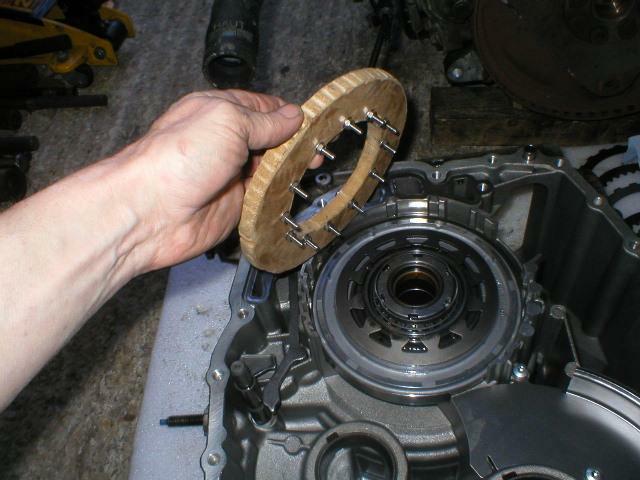
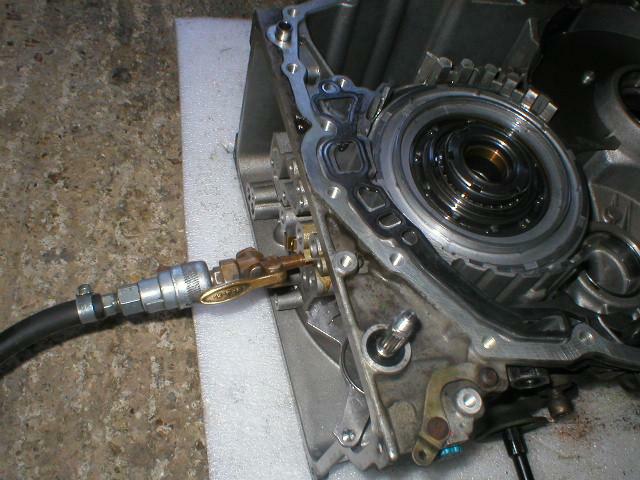
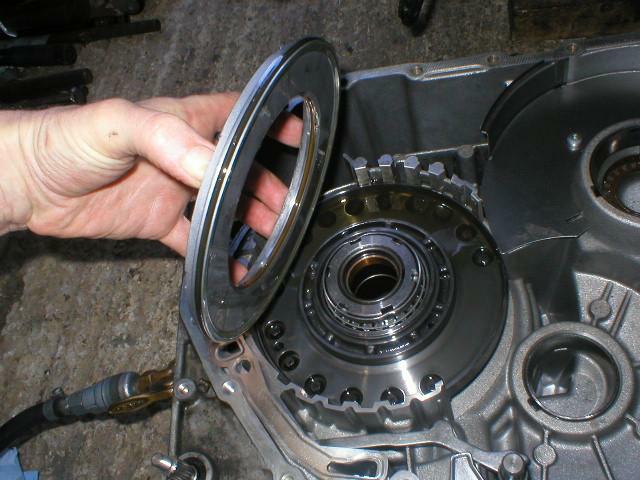
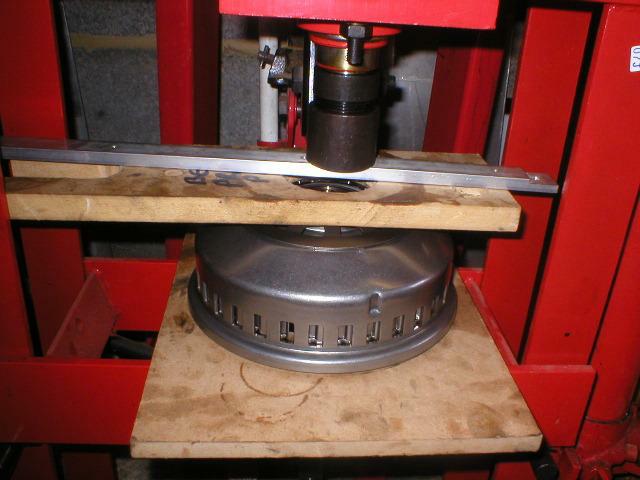
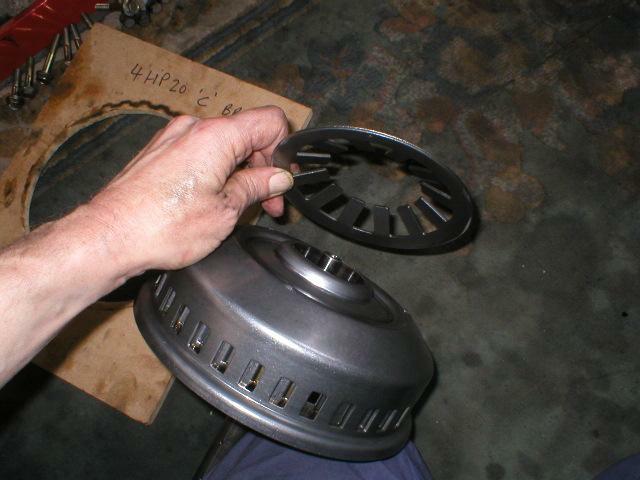
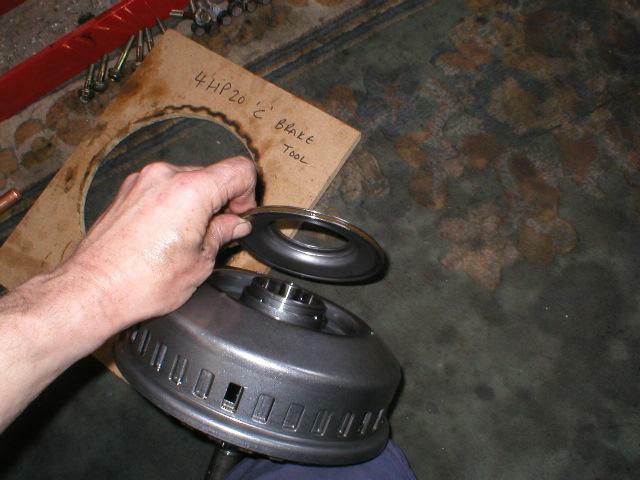
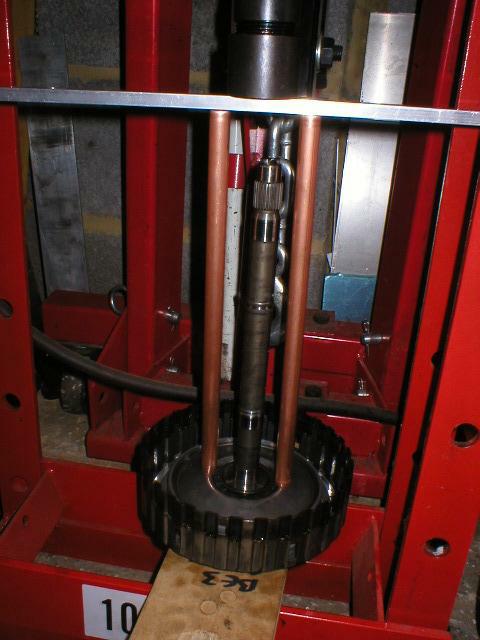
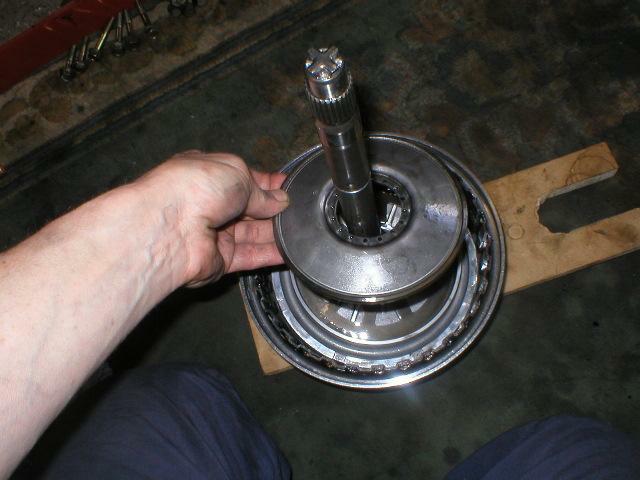
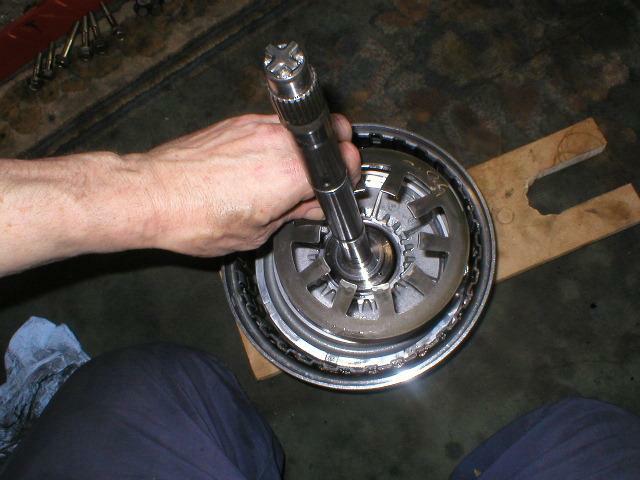
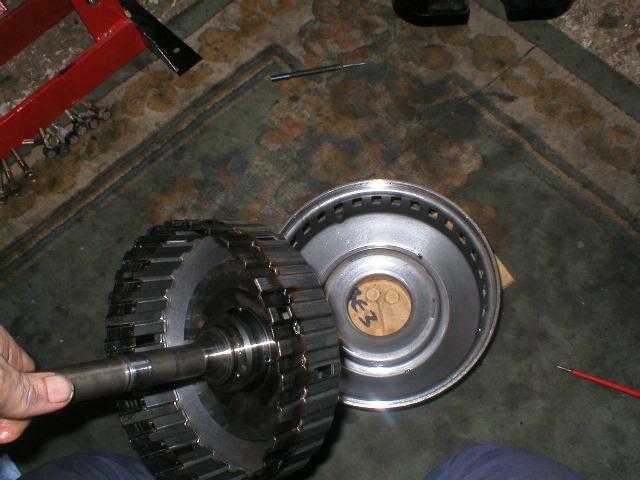
No worries at all Johnjgra1 wrote:Jim, you've had a good day there, I am glad I didn't ring you 16 times to pester you about firewashers and incorrect injection pump timing
Thoroughly enjoyed our chats throughout the afternoon!
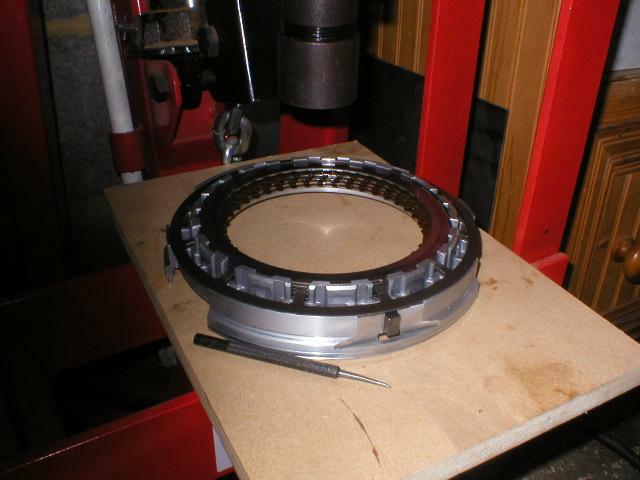
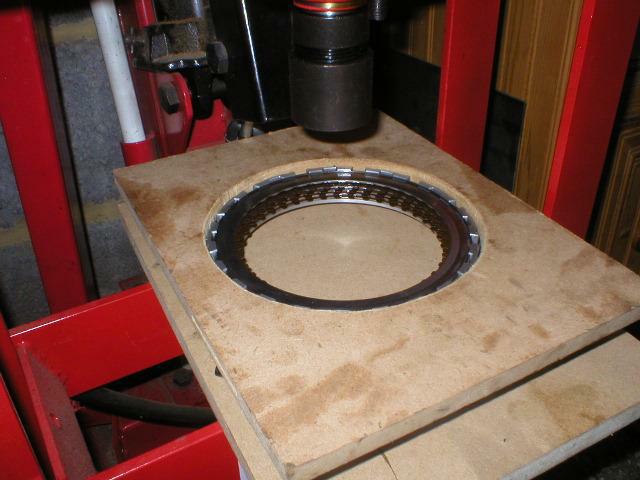
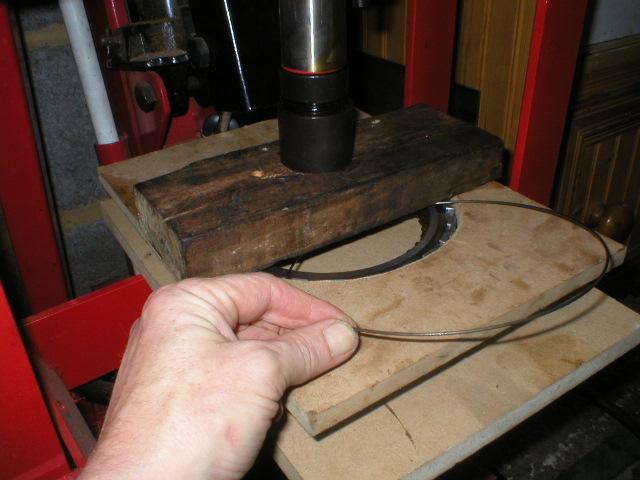
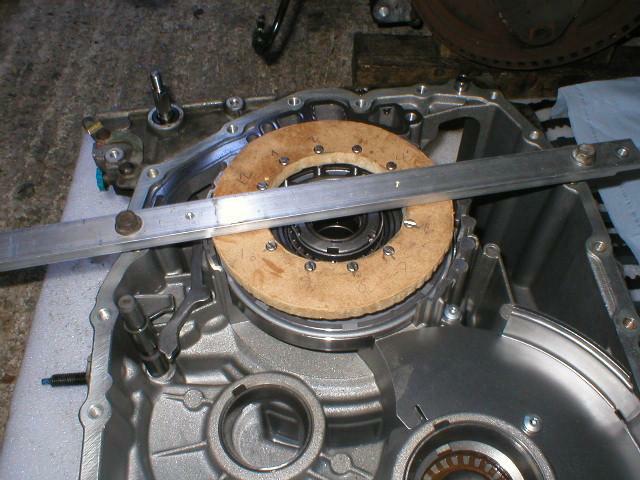
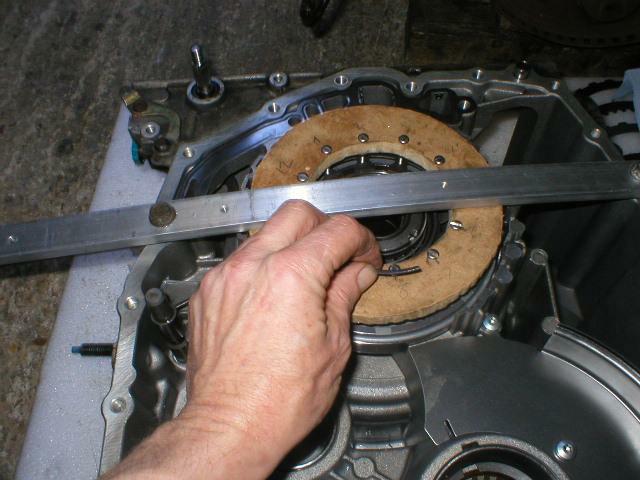
It's not so much that she's worried about Dean, it's the colour clash between the rug and the hydraulic press that really bothers her...Deanxm wrote:does swmbo know your taking that gearbox apart on her rug