spider wrote:Apart from extended servicing intervals to reduce on paper the T.C.O (mainly aimed at fleet buyers I guess), the thing that I feel is potentially overlooked with say engines that have 12-18K oil intervals compared to say 6-9K is the fact the manufacturer may specify a specific oil or a specific type. By this I mean a "low ash" type expensive oil.
I've not done the sums with this but using regular (decent) semi synth compared to uber expensive 'low ash' fully synth oil, it *may* be cheaper to change it twice as often with the cheaper oil.
Neither of my earlyish Citroens need the low saps oil as neither have a
DPF. So I am free to choose the best oil with regard to that. I choose to use a full synthetic oil.
If you have a car with a
DPF then you MUST use a low ash (low SAPS) regardless of how often you change it - using a non-low saps oil will cause premature clogging up of the
DPF. The
DPF is there to catch small particulates but it will catch anything that is bigger than the pores of the filter. This will include any ash left by the combustion of non-low saps oil.
spider wrote:
Although its not exactly 'on topic' with this thread, you may recall when PSA went from 6K to 9K for diesel units and I think 9K to 12K for petrol. The only real change was the filter type at least as far as I could tell . Peugeot went from N2 to R0, I'm not sure of the 'other sides' part number. As I say, as far as I could tell there was no other change such as internal workings to engines. At the time I could not work out if the filter 'design' was to simply filter a bit less to extend its life (and therefore oil pressure) or something else.
The filter point is very well made. Maybe it became finer but also had more surface area? I don't know but it'd be good if someone did know for sure.
spider wrote:There is a lot I could say about DPF's and things but I'd rather not.
Why not? it is the nominal title of the thread after all.



 .
.



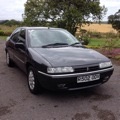
 Loads of low down pull right down to about 1400rpm. In fact the gearbox tends to change up a gear to bring you down from 2200 to 1500 or so under normal around town driving conditions.